By Chetan Pania, Founder — Youth Economic Forum
India’s youth are brimming with energy, ideas, and ambition. They are at the forefront of innovation, technology, social change, and entrepreneurship. Yet, one of the biggest hurdles that many young Indians face today is access to finance — not to buy a car or a phone, but to build dreams that have the potential to reshape the country’s future.
In India, it is comparatively easier to get personal loans or car loans than to secure business loans or education credit for meaningful growth. This imbalance highlights a structural issue in our financial ecosystem — one that must be addressed urgently.
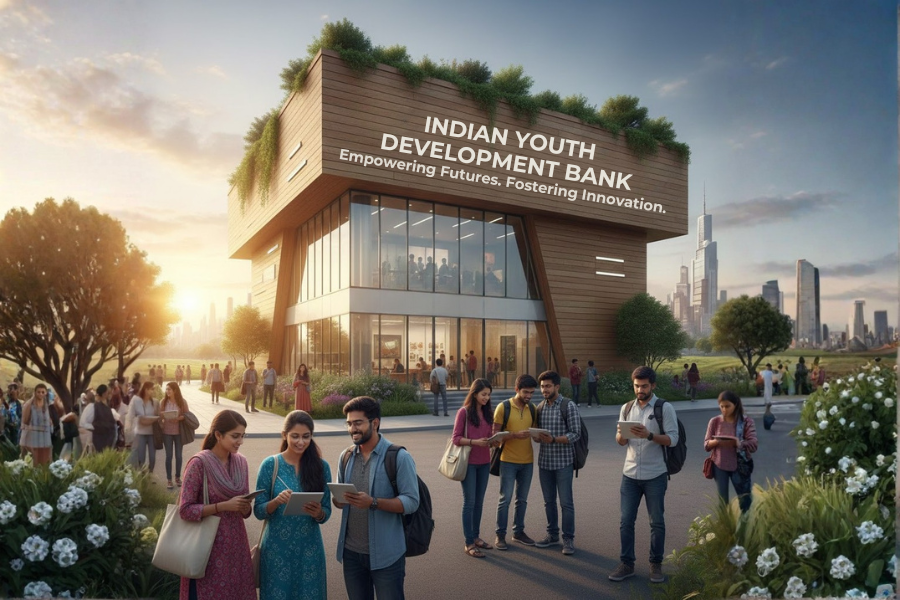
This is why India needs a dedicated Youth Development Bank (YDB) — a financial institution focused specifically on empowering young Indians on their education and entrepreneurship journeys.
1. A Specialized Financial Institution for Today’s Youth
Commercial banks and NBFCs (Non-Banking Financial Companies) are structured primarily for traditional credit products — housing, vehicles, personal consumption, etc. When it comes to business loans, especially for young first-time entrepreneurs, the hurdles are significant:
- High collateral requirements
- Demand for lengthy credit history
- Reluctance to lend against future income potential
- Risk-averse credit appraisal models
These barriers create an investment drought precisely where it shouldn’t exist — among India’s most creative and ambitious minds.
A Youth Development Bank would be uniquely designed to evaluate young applicants not by the weight of collateral, but by their potential, passion, and purpose.
2. Supporting Education – Beyond Scholarships
Education is a foundational investment. While scholarships and government schemes do exist, they often fall short of the actual financial needs of students — especially for:
- Professional and technical studies
- Studying abroad
- Skill-oriented or vocational training
- Rapidly emerging fields like AI, renewable energy, and biotech
A Youth Development Bank could offer:
- Low-interest student loans
- Flexible repayment tied to post-study income
- Credit access for family entrepreneurs investing in education
- Mentorship-linked financial support
This would ensure education is not just accessible — but enabling.
3. Fostering Entrepreneurship at the Grassroots
Young founders often struggle to get their first funding. Whether it’s a tech startup in Jaipur, a sustainable farming enterprise in Udaipur, or a handicraft e-commerce venture in Jodhpur — financing remains the biggest bottleneck.
Commercial banks see risk. Venture capital sees early profits. But youth-led ventures need thoughtful capital that sits between these two — capital that grows with them.
A Youth Development Bank could provide:
- Seed and growth funding
- Credit without unreasonable collateral
- Business incubation and advisory services
- Networking and industry linkages
- Financial literacy and entrepreneurship training
With this ecosystem, youth can transform ideas into scalable enterprises — creating jobs, driving innovation, and contributing to India’s economic growth.
4. Rewarding Potential, Not Just Security
Today’s credit systems are rooted in historical income and security. While this works for traditional lending, it fails young Indians who:
- Don’t have a credit legacy
- Lack collateral due to socio-economic limitations
- Operate in non-traditional sectors (creatives, tech, services, social impact)
A Youth Development Bank would fundamentally shift credit approaches — rewarding potential, not just personal security.
5. Tackling Inequality and Driving Inclusive Growth
Youth in metro cities often have better access to capital, mentorship, and networks. But India’s greatest talent exists in small towns, rural areas, and underserved communities.
A dedicated youth finance institution would ensure:
- Geographic equity
- Gender-inclusive lending
- Support for marginalized communities
- Empowerment of future leaders across India
This aligns with India’s growth vision — where opportunity is not defined by ZIP code but by will and ability.
Conclusion: A Financial Ecosystem for the Future
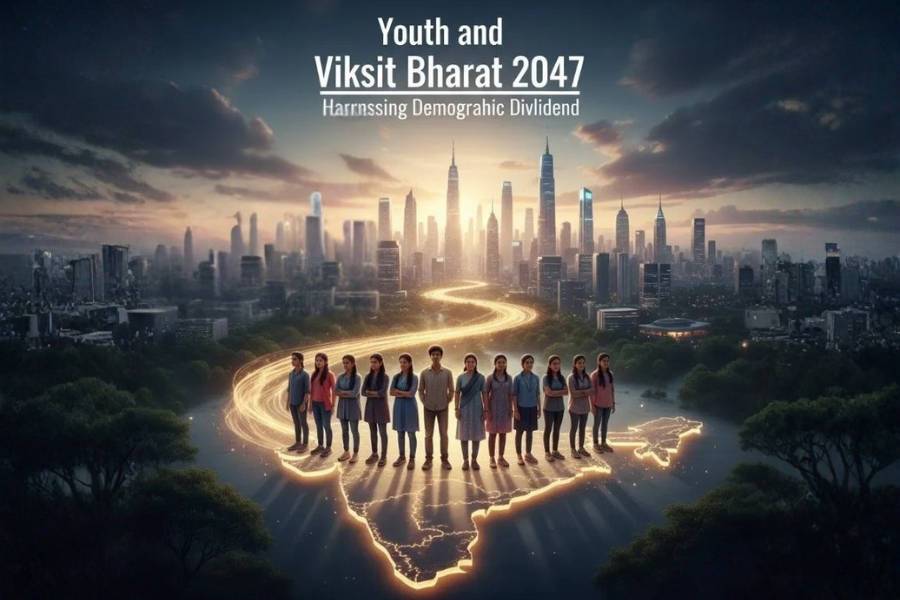
If India genuinely wants to become a global leader — a $30 trillion economy by 2047 — we must empower the engine of that future: our youth.
A Youth Development Bank isn’t just a credit institution — it represents:
- Hope
- Opportunity
- Respect for young ambition
- A new financial paradigm
At the Youth Economic Forum, we believe that when young people have fair access to financial support — backed with mentorship and purpose-driven resources — there’s no limit to what India’s youth can achieve.
Let’s build a financial system that believes in youth first — always.